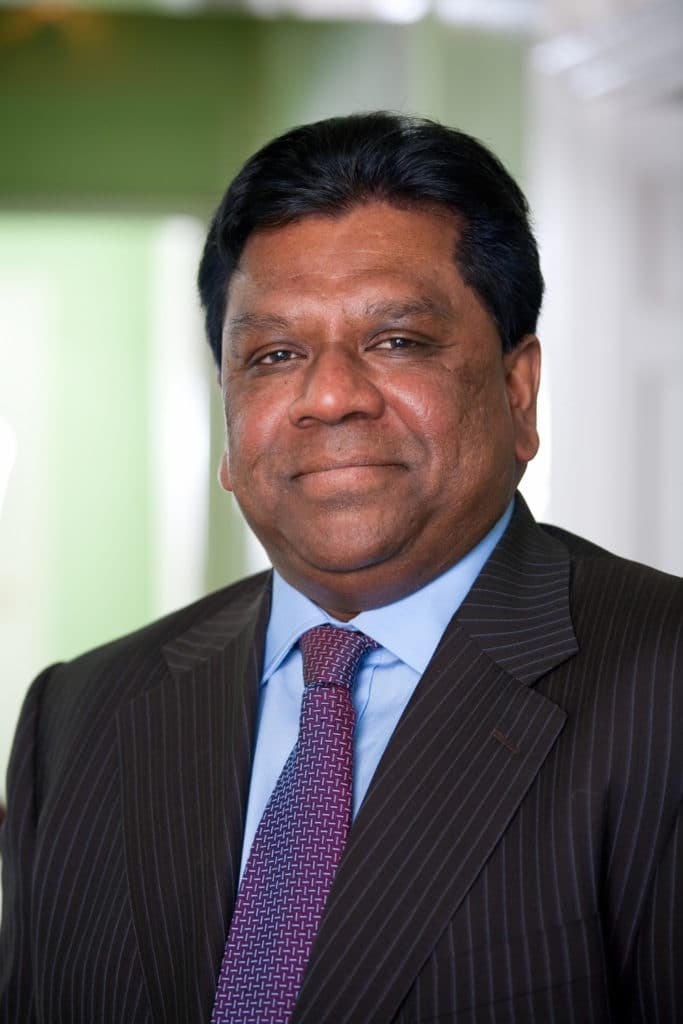
LASEK (laser-assisted sub-epithelial keratectomy) is a surface form of laser eye surgery that reshapes the cornea to correct short-sightedness, long-sightedness and astigmatism. The surgeon loosens the thin surface layer of cells (the epithelium) with a dilute alcohol solution, lifts it aside as a flap made by hand, applies the excimer laser to the cornea beneath and lays the layer back — so, as Precision Vision London’s Dr CT Pillai points out, LASEK is not flap-free; PRK and TransPRK are. Because no deeper (stromal) flap is cut, LASEK is often recommended for thinner corneas, dry eyes or contact sports. Precision Vision London lists LASIK & LASEK / TransPRK from £1,950 per eye, or from £3,900 for both eyes, and says LASEK takes a little longer to settle than LASIK, typically 5–7 days.
What is LASEK?
LASEK is one of the "surface ablation" family of laser eye treatments, alongside PRK and TransPRK. Instead of cutting a hinged flap in the deeper cornea (as in LASIK), the surgeon gently loosens the ultra-thin surface layer of cells (the epithelium) and lifts it aside as a flap made by hand, applies the excimer laser to reshape the cornea underneath, then lays the epithelial layer back. A protective bandage contact lens is placed while the surface heals.
Because the deeper corneal structure is left intact and no stromal flap is cut, LASEK avoids the flap-related complications of LASIK and preserves more corneal tissue — which is why it is frequently chosen for patients who are not ideal candidates for LASIK. Precision Vision London performs LASIK and LASEK / TransPRK on the Schwind Amaris 1050RS laser with Advanced Wavefront technology as standard, at no extra charge, and Dr CT Pillai, who leads its laser service, says the clinic selects the right technique for each patient’s prescription, corneal thickness and lifestyle.
LASEK vs LASIK, PRK and SMILE
There is no single "best" laser treatment — the right one depends on your prescription, corneal thickness and lifestyle. Your consultant will recommend the safest, most effective option after a full assessment.
Explore the alternatives: LASIK, PRK, SMILE and the no-touch TransPRK. If your prescription is too high for laser, an implantable contact lens (ICL) may suit you better. For an overview of all laser options and pricing, see our laser eye surgery and laser eye surgery cost pages.
What happens during LASEK
LASEK is a quick, walk-in walk-out day procedure performed under local anaesthetic eye drops. Both eyes are usually treated in the same session.
- Numbing drops are applied; you stay awake and feel no pain.
- A diluted alcohol solution gently loosens the thin epithelial surface layer, which the surgeon lifts aside as a flap made by hand.
- The excimer laser reshapes the cornea — typically around 30 seconds per eye — guided by your prescription and corneal map.
- The epithelial layer is laid back and a soft bandage contact lens is placed to protect the surface as it heals.
- You rest briefly, then go home the same day — you'll need someone to drive you.
Not sure if LASEK or LASIK is right for you? A suitability assessment includes corneal scans to confirm the safest method for your eyes. Precision Vision London’s laser eye surgery consultation is free, with a £100 holding fee refunded when you attend and meet its eligibility checks.
Recovery week-by-week
LASEK recovery is a little slower than LASIK because the surface layer needs to heal; Precision Vision London says LASEK and TransPRK typically take 5–7 days to settle. Most patients are comfortable within a few days and see clearly within a few weeks.
Days 1–3
Gritty, watery, light-sensitive eyes while the surface heals under the bandage lens. Rest, drops and sunglasses help. Vision is blurry.
Days 4–5
The epithelium has regrown and the bandage lens is removed at review. Comfort improves markedly; vision begins to sharpen.
Week 1–2
Vision is functional but may still fluctuate. Precision Vision London asks its patients to wait until their first post-operative check, when Dr CT Pillai examines the eyes and advises on work, driving and the next steps; its advice is one week before aerobic exercise, jogging, yoga and Pilates, and two weeks before swimming, sauna, steam room and weightlifting. No eye rubbing yet.
Weeks 3–6
Vision continues to sharpen and stabilise. Lubricating drops continue. Most reach their final clear vision by 6–12 weeks.
LASEK cost at Precision Vision London
Precision Vision London lists LASIK & LASEK / TransPRK from £1,950 per eye; for both eyes it says to double the per-eye price, so from £3,900. Dr CT Pillai says LASIK, LASEK, PRK and TransPRK all cost the same there. Other clinics set their own prices, so always confirm whether a quote is per eye or for both.
- Included: Precision Vision London says every price is all-inclusive — the consultation and diagnostics, the procedure, medications, protective eyewear, 12 months of surgeon-led aftercare and any enhancement (laser fine-tuning) within the first year — with no hidden extras, and Advanced Wavefront technology is standard at no extra charge.
- Consultation and deposit: Precision Vision London’s laser eye surgery consultation is free, with a £100 holding fee fully refunded when you attend and meet its eligibility checks. Precision Vision London’s deposit is £250 per eye, deducted from your total treatment cost.
- Paying: Precision Vision London says 0% APR finance is available over 12 months on selected treatments, with longer plans at 9.9% APR over 24 to 60 months, subject to status. Other clinics set their own payment terms, so ask for them in writing before you book. Eye Surgery Clinic does not lend money or arrange finance.
- Insurance: laser vision correction is elective and usually self-funded; check with your insurer what your policy covers.
Source: Precision Vision London pricing and laser eye surgery pages, read 19 October 2026; its consultants’ corrections of 15 and 16 October 2026.
Precision Vision London is at 22A Harley Street; see our London laser eye surgery cost page. Compare costs across methods on our laser eye surgery cost page, or see individual pricing for LASIK, PRK and SMILE.